
Dental Bridges

Serving St. Albert and Edmonton
Missing teeth can happen for a variety of reasons.

Decay, accidental damage, and other factors can cause tooth loss or make removing teeth necessary. Missing teeth can make eating and speaking difficult in some cases, and when those gaps occur in prominent places, they can significantly impact your self-image and self-esteem. Missing teeth can be a thing of the past, thanks to Dr. Robert Lesniak and his outstanding ability to get your smile back with dental bridges. St Albert dental bridge expert, Dr. Lesniak offers excellent prosthodontic care to his patients, restoring smiles and improving lives.
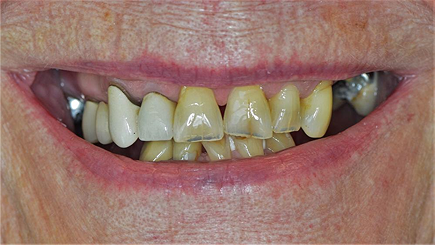
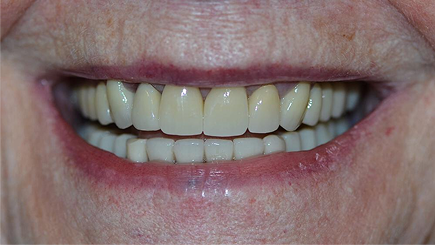
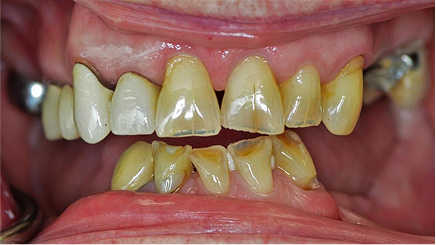
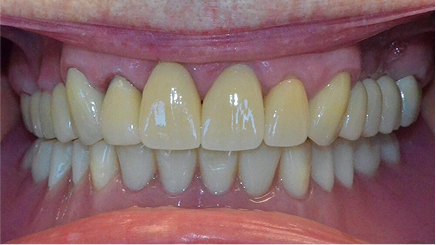
Bridges Before & Afters

What are Dental Bridges?

Dental bridges are restorative prosthetics used to fill in gaps caused by missing teeth. They are custom-made to fit each mouth individually to reclaim lost function and aesthetics. Bridges can effectively address several concerns, including:

  • Smile restoration
  • Restore function for chewing or speaking
  • Preserve the shape of the face
  • Properly distribute bite force
  • Prevent the drifting or misalignment of remaining teeth
  • Restoring your self-confidence
Dental Bridges involve the insertion of a pontic (or false tooth) into the gap where your tooth is missing, anchoring to remaining teeth, dental crowns, or dental implants. Pontics can be composed of a variety of materials, including metal, porcelain, and plastic. Pontics are specially designed to closely match your natural teeth and fit your bite.

Dental Bridges Procedure

Dental bridges offer a multifaceted solution to missing teeth, providing numerous benefits that significantly enhance the overall quality of life. Functionality is restored, allowing for improved chewing and speech, while the aesthetic advantages contribute to a more natural and appealing smile.
The treatment prevents the shifting of adjacent teeth, maintains a balanced bite, and supports facial structure, preventing the loss of support for lips and cheeks. With long-lasting results and efficient, minimally invasive procedures, dental bridges boost confidence and positively impact both oral health and overall well-being.
Dental bridge Benefits:
  • Restored Functionality
  • Improved Speech
  • Balanced Bite
  • Long-lasting Solution
  • Efficient and Convenient
  • Enhanced Aesthetics
  • Prevention of Teeth Shifting
  • Increased Confidence
  • Preservation of Facial Structure
  • Minimally Invasive Process
  • Restored Functionality
  • Improved Speech
  • Balanced Bite
  • Long-lasting Solution
  • Efficient and Convenient
  • Enhanced Aesthetics
  • Prevention of Teeth Shifting
  • Increased Confidence
  • Preservation of Facial Structure
  • Minimally Invasive Process

Dental Bridges vs. Implants: Which is better for missing teeth?

Dental Bridges and implants each offer different advantages and can both be used to effectively restore your smile.

However, one option may be better suited for your unique needs and preferences. Edmonton dental bridge provider, Dr. Lesniak will take the time to consider every aspect of your treatment to determine which option will provide you with the best results. The priority when receiving a dental bridge is replacing missing teeth to prevent further damage and to restore the full functionality and aesthetic quality of your bite. Dr. Lesniak understands that no two patients’ bites or situations are the same, and that optimal treatment means personalized treatment.

Types of Dental Bridges

Bridges are highly versatile and can be customized to work in a wide range of conditions, including replacing multiple teeth.

There are three general categories of dental bridges, generally grouped by how they are affixed inside the mouth. Each has advantages and drawbacks, and during your consultation for a dental bridge. St Albert prosthodontist, Dr. Lesniak will help you to determine the right course of action.

Traditional Bridges

Traditional dental bridges feature one or more pontics anchored to remaining teeth at both ends that act as anchors (retainers) for the pontic. Typically, the abutment teeth are reshaped to receive crowns (full or partial, depending on condition). These can be configured to be fixed on both ends or to allow for some movement (“fixed- fixed” or “fixed-moveable”). Traditional bridges are the most common type of bridges used.

Cantilever Bridges

A cantilever dental bridge is only attached to an abutment tooth at one end of the retainer. A cantilever bridge is helpful when teeth on both sides of the gap are not suitable for serving as anchors. While these bridges are less commonly used, they do have the advantage of being easier to keep clean and maintain.

Adhesive Bridges

Adhesive Bridges (also called“resin-bonded” or “Maryland” dental bridge) attaches to abutment teeth via “wings” extending from the side of the pontic(s). These can be used in traditional or cantilever configurations and are ideal when the abutment teeth are healthy and undamaged.

How do I know if a Dental Bridge is right for me?

During your consultation for dental bridges St Albert Prosthodontist Dr. Lesniak will thoroughly examine your condition and help you decide if a bridge is an appropriate remedy for you. Typically, dental bridges are recommended for patients in overall good oral and physical health who want to replace a missing tooth or teeth.
In your examination, St. Albert dental bridges expert, Dr. Lesniak will also evaluate the condition of your remaining teeth, the suitability of potential abutment teeth, and your bone condition. In some cases, bridges may not be recommended, including:
  • The gap is too wide
  • Unconscious mandibular conditions like grinding
  • Teeth are misaligned
  • The position of the bridge will make it at high risk for poor hygiene
    maintenance
  • Allergy to materials

Even if one of the contraindicating conditions is present, Dr. Lesniak will work with you to determine a course of treatment that can address the adverse conditions and potentially make a dental bridge a suitable solution for you.

HOW DO I TAKE CARE OF MY DENTAL BRIDGES?

Caring for your dental bridge is crucial to ensure its longevity and maintain optimal oral health. Here are essential tips to help you take care of your dental bridge:
  • Oral Hygiene: Maintain a healthy smile through diligent cleaning. Brush your teeth, including your bridge, twice daily with fluoride toothpaste. Opt for a soft-bristled toothbrush to preserve the bridge and prevent gum irritation.
  • Flossing: Regular flossing is essential to clean between the teeth and under the bridge. Special floss threaders or interdental brushes can be helpful in reaching these areas effectively.
  • Antimicrobial Rinse: Use an antimicrobial mouthwash to reduce the risk of gum disease and maintain overall oral hygiene. Consult your dentist for recommendations on suitable products.
  • Regular Dental Check-ups: Schedule regular dental check-ups and cleanings to allow your dentist to monitor the condition of your dental bridge and address any issues promptly.
  • Avoid Chewing Hard Foods: Be mindful of your diet and avoid chewing on hard or sticky foods that may exert excessive pressure on the bridge. Opt for softer foods to prevent damage.
  • Protect Against Teeth Grinding: If you grind your teeth at night, consider using a night guard to protect both your natural teeth and the dental bridge from excessive wear and potential damage.
  • Quit Smoking: Smoking can contribute to oral health problems, including gum disease, which may affect the longevity of your dental bridge. Quitting smoking can significantly improve overall oral health.
  • Address Discomfort Immediately: If you experience any discomfort or irritation or notice changes in your dental bridge, contact your dentist promptly. Timely intervention can prevent minor issues from escalating.
By incorporating these practices into your daily routine and staying proactive about your oral health, you can ensure the durability and effectiveness of your dental bridge for years to come. Regular communication with your dentist is key to addressing any concerns and maintaining a healthy, functional smile.

WHAT MATERIALS ARE USED ON A DENTAL BRIDGE?

Dental bridges are crafted using a variety of materials to ensure durability, functionality, and aesthetic appeal. The most common materials include porcelain, ceramic, and metal alloys. Porcelain and ceramic provide a natural-looking appearance that closely resembles natural teeth, making them popular for the visible parts of the bridge. Meanwhile, metal alloys, such as gold or nickel, are often used for the framework or substructure due to their strength and stability.
The combination of these materials allows for a balance of esthetics and structural integrity, ensuring that the dental bridge seamlessly integrates with the surroundings teeth while providing the necessary strength for effective chewing and long-term durability. The choice of materials is often personalized based on the location of the bridge in the mouth and individual patient needs.

Dental Bridges Procedure

Your dental bridge treatment will consist of a thorough, comprehensive assessment and planning followed by your personalized procedure. During the planning phase of your dental bridges Edmonton cosmetic dentist, Dr. Lesniak will perform a thorough examination of your teeth and bite, including x-rays, modelingImplant Overdenture, and detailed photographs.
Because prosthodontics at its core specializes in replacing teeth, it is crucial that we take every step needed to ensure that your treatment is consistent with every aspect of your care. In addition to visual examination and imaging, Dr. Lesniak may evaluate your dental records, previous procedures, medical history, and the functionality of your bite to ensure the most comprehensive understanding of your teeth’s condition.

Dental Bridge Results

The proper application of a dental bridge can make a significant improvement in a patient’s well-being. In addition to removing any impairment to speech or function, patients can also experience a newfound or restored sense of confidence and self- esteem.
With proper care and maintenance, bridges can be an excellent and predictable solution to your missing teeth. Proper hygiene practices are critical to prolonging oral health and the performance and esthetics of the prosthetic.

Schedule your St Albert Dental Bridge consultation with Dr. Robert Lesniak today

You can be on your way to a complete set of teeth and a full, bright smile when you consult with Dr. Lesniak about whether or not our dental bridge procedure may be right for you. To begin your journey, call (780) 851-6952 or fill out the consultation form. Experience the difference having a board-certified and artistic expert can make for your oral health and overall sense of beauty and well-being!

Dental Bridges Frequently Asked Questions