DENTISTRY IS OUR PROFESSION,
BUT YOUR PERSONAL CARE IS OUR PASSION!
Dental Implants, Prosthodontics, and Cosmetic Dentistry Services
Our advance multiple-doctor practice allows for the complete care of your routine and complex dental treatment




Going with UAD may have been the best decision I have ever made. Everyone at UAD offices is not only a skilled professional but so cordial and welcoming that a patient feels instantly at ease.
Dental Implants, Prosthodontics, and Cosmetic Dentistry Services
We combine the expertise and benefits of a group practice with the personal comfort of a small private office!
Since the introduction of implants in the 1990’s, UADs team of implant surgeons and restorative doctors have been recognized leaders in implant dentistry. Our promise to you is the highest quality care, as we continue to redefine the standards of implant dentistry with our advanced techniques and technology. All of your dental needs can be met in the comfort of our Chicago office, which eliminates the hassle of coordinating costs, visits, and information across multiple offices. Our centralized approach means that our team of doctors, hygienists, and staff cover everything you need, from treatment coordination and financial management to implant treatment and long-term maintenance.
Your new smile starts with a complimentary consultation!

Advanced Training With Decades of Experience
Not only do our doctors maintain the advanced training to provide treatment for all complexities of care, but they are also recognized nationally as teachers and mentors of cosmetic dentistry, complex dental procedures, and advanced dental care. We understand the importance of a beautiful smile, and our doctors' expertise and passion for aesthetic dentistry has led them to be recognized as Chicago's Top Doctors in dentistry.
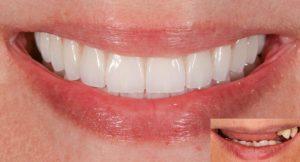
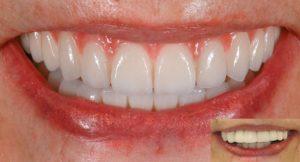
To compliment their clinical skill, they maintain exclusive working relationships with the world's most highly-talented master ceramists, which allows for the most natural and beautiful porcelain work when creating your smile. Together, the vision, technical skill, and perfectionist nature of our entire team allows for the most beautiful results, as seen in our smile gallery.

Personalized and Trusted Comprehensive Care
Unlike the corporate dental chains, our practice cherishes the special relationships that we build with our patients! In our practice, it is our personal touch, and our state of the art technology and techniques coupled with our dedication to our patients that will leave you loving not only your result, but your overall experience.
Our focus is not only your dentistry, but more importantly, your satisfaction. Our patients can always trust that their care is in the hands of the experts and their best interest is in mind, allowing them not only a beautiful smile, but more importantly, a reason to smile!

Special Financing Options
We understand the cost of dentistry can be expensive, especially when it comes to more advanced care. Our goal is to allow you the care that you need an an attainable manner throuh. With our in-house medical and dental insurace coordinators as well as our internal financing options, we offer a unique benefit to our patients.
Did you know that your dental treatment is often related to your overall health and health insurance? Advance treatment such as implants, bone grafts, and reconstructive dentistry is necessary to allow proper function, health, and nutrition. We understand the importance of this, and this is why our health insurance coordinators stay busy allowing our patients their insurance benefits during treatment. At your consultation, please bring both your dental and medical insurance cards for our care coordinators to help you understand the coverage for your care.
Visit our smile gallery to see our beautiful cases and hear stories and experiences from patients just like you!